Hiding Bank Accounts from the IRS? That’s Not a Strategy. That’s a Crime
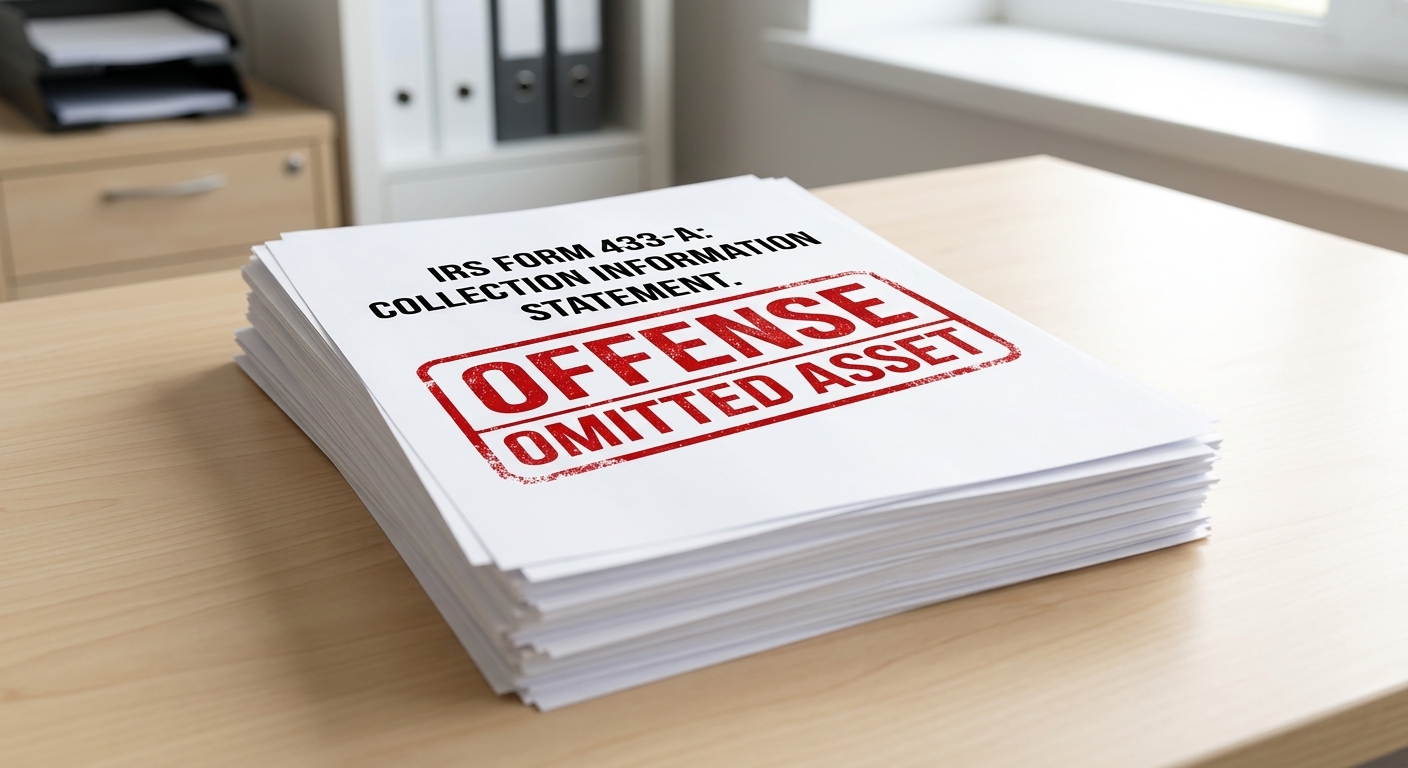
Here’s a reminder that trying to outsmart the IRS rarely ends well. A taxpayer owed back taxes and was working through the collection process. As part of that process, the IRS requires you to fill out Forms 433-A and 433-B, which are basically financial disclosure forms. They want to know what you own, what you earn, and where your money sits. Including your bank accounts.
This taxpayer decided to leave a few bank accounts off those forms. You know, the ones where the money actually was. Maybe he thought the IRS wouldn’t notice. Maybe he figured what they don’t know won’t hurt him.
Turns out, it hurt him plenty.
The IRS noticed. They always notice. And the Department of Justice charged him with tax evasion under Code Sec. 7201. The taxpayer argued that simply not disclosing a bank account isn’t an affirmative act of evasion. He didn’t do anything. He just didn’t mention a few things.
The Third Circuit wasn’t buying it. The court upheld his conviction, finding that submitting false forms to the IRS is an affirmative act of evasion. You don’t have to move money to a secret offshore account. Just leaving things off official IRS forms is enough.
What This Means for You
When the IRS asks for financial information, they’re not making small talk. Forms 433-A and 433-B are official documents signed under penalties of perjury. That means when you sign at the bottom, you’re certifying that everything on that form is true, accurate, and complete. Leaving things off isn’t a gray area. It’s fraud.
And here’s the kicker. The IRS probably already knows about your bank accounts. Banks report account information to the government. The IRS can issue summonses to get your records. State tax agencies share data with the feds. When you fill out those forms, the IRS isn’t asking because they’re curious. They’re asking to see if you’ll tell the truth. It’s a test, and this taxpayer failed it spectacularly.
The Takeaway
If you owe back taxes and you’re filling out collection forms, be honest. Completely honest. There are legitimate ways to resolve tax debt. Hiding assets isn’t one of them. Especially when the IRS already knows where the money is.
Owe back taxes and not sure how to handle the IRS collection process? Contact FACTS CPA. We’ll help you find a real solution.